

Background: Hyundai’s Georgia EV Investment
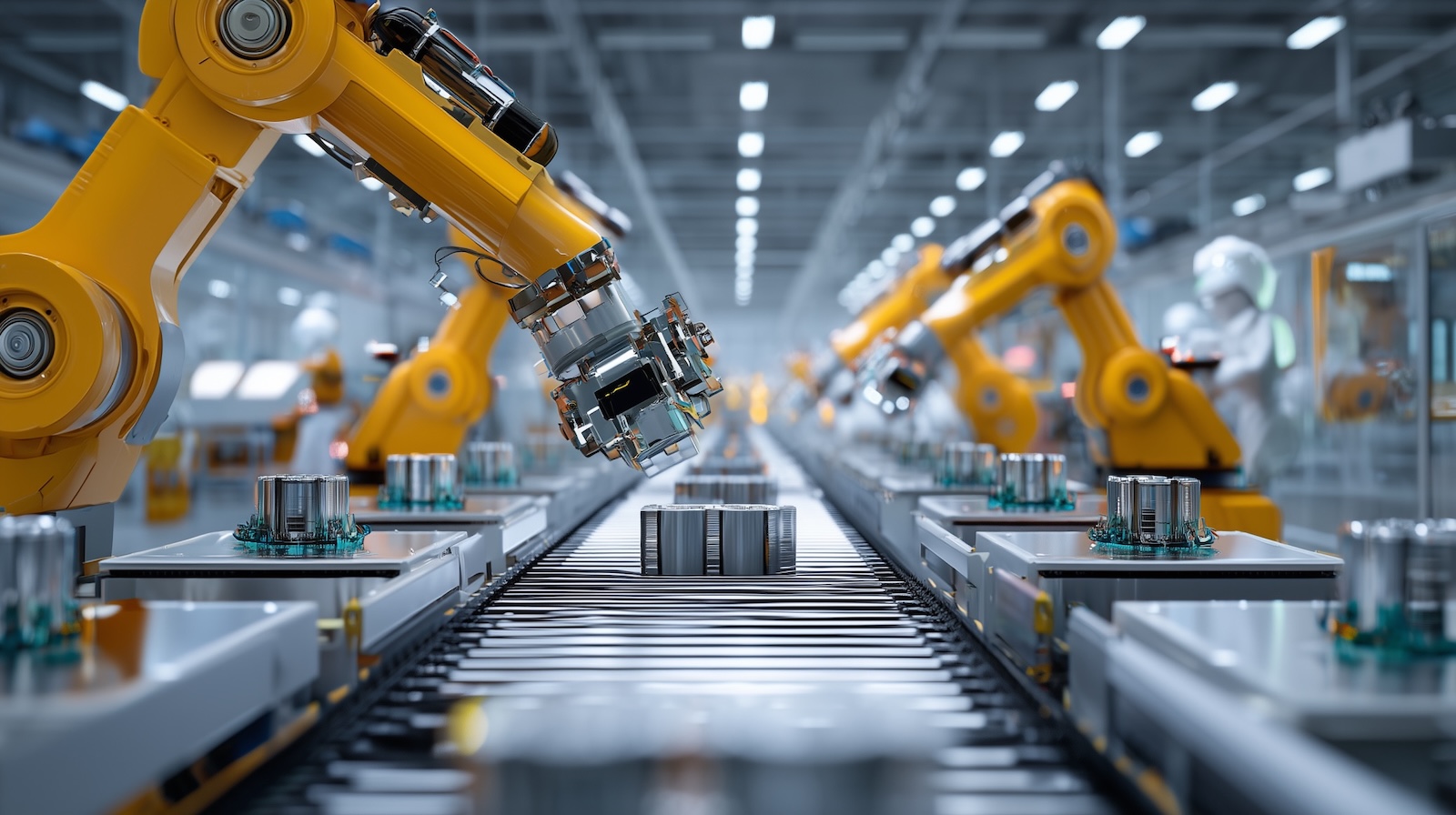
Hyundai Motor Group has invested billions in a massive manufacturing complex in Ellabell, Georgia. Known as the Hyundai Motor Group Metaplant America, the site includes an EV assembly plant and an adjacent battery factory under construction. The assembly plant opened in March 2025, already producing two EV models and targeting a capacity of 500,000 vehicles per year.
The battery plant, a $4.3 billion joint venture with LG Energy Solution, is intended to supply Hyundai, Kia, and Genesis EVs once completed. Georgia secured the projects with an incentive package worth around $2.1 billion, the largest in the state’s history.
Construction progress was disrupted in September 2025 when US authorities carried out a large-scale immigration raid at the battery site.
The ICE Raid and Its Fallout
On September 4, 2025, US Immigration and Customs Enforcement (ICE) launched Operation Low Voltage at the Hyundai-LG battery plant construction site. A total of 475 workers were detained, most of them South Korean nationals on short-term visas or visa waivers.
Images of engineers in handcuffs shocked audiences in both Korea and the United States. Over 300 of those detained were South Korean citizens who were later repatriated after Seoul intervened.
Korean media and officials condemned the raid, describing it as a betrayal of an ally. South Korea’s president warned that Korean companies would hesitate to make future US investments if such incidents were not resolved.
Hyundai’s global leadership stressed that those detained were contractors rather than Hyundai employees and promised tighter compliance. Construction on the battery plant was temporarily halted, with the project’s opening delayed by several months.

Reassurances from Georgia and Washington
Georgia officials quickly moved to contain the fallout. Governor Brian Kemp expressed confidence that the state’s advantages would win out and pledged to work with Washington on visa reforms for skilled workers.
Hyundai also reaffirmed its long-term commitment, announcing an additional $2.7 billion expansion of the Ellabell complex only weeks after the raid. Company executives emphasised that investments in Georgia were part of a strategic US growth plan.
At the federal level, the Biden administration defended the enforcement action but privately signalled that new visa solutions may be needed for large industrial projects. Discussions are now underway to create smoother pathways for specialist foreign workers.
Could Hyundai Really Move to California?
The question remains whether Hyundai could decide to relocate operations to California, a state with strong EV policies and more immigrant-friendly laws. California would likely welcome such a project and already has the nation’s largest EV market.
However, moving at this stage appears highly unlikely. Hyundai has already sunk billions into Georgia, hired thousands of local employees, and relies on the project to qualify for US federal EV tax credits. Relocating would forfeit incentives, delay production, and face California’s higher costs and stricter regulations.
The immigration issues are federal rather than state-specific, meaning Hyundai would face similar challenges in California unless visa reforms are introduced nationally. Historically, automakers have avoided California for large-scale plants due to costs and complex permitting.
Korean Media’s Perspective
In South Korea, media coverage was fierce. Headlines described Hyundai as having invested in America only to be repaid with handcuffs. Some outlets highlighted how local political figures in Georgia had encouraged the raid, framing it as a politically motivated attack.
While no major voices in Korea are calling for Hyundai to abandon Georgia, there is clear frustration and concern about future projects. Korean unions have urged a freeze on new US investments until safeguards are guaranteed.
The prevailing tone is not to leave immediately but to insist that Washington and Georgia fix the visa and labour issues that led to the raid.
Conclusion: Staying the Course in Georgia
Despite speculation, Hyundai is unlikely to move its EV and battery operations to California. The company is too invested in Georgia to walk away, and its recent announcements show it intends to expand rather than retreat.
The raid has damaged trust and raised political risks, but both Hyundai and US officials are now motivated to find solutions. Future projects may diversify to other states or even countries, but for now, Hyundai’s Georgia plant remains the centrepiece of its US EV strategy.
The more realistic outcome is not relocation, but policy changes and stronger assurances to ensure that such an incident never happens again.
Sources
- Associated Press – Hyundai to expand Georgia plant despite ICE raid (Sept. 21, 2025)
- Reuters – US immigration agents arrest hundreds at Hyundai plant, mostly Koreans (Sept. 6, 2025)
- The Guardian – South Korea outraged at 300 workers treated as prisoners of war in US raid (Sept. 12, 2025)
- The Guardian – Workplace safety issues at Georgia’s Hyundai plant may have led to ICE raid (Sept. 12, 2025)
- Al Jazeera – More than 300 South Korean workers return home after US immigration raid (Sept. 12, 2025)
- Donga Ilbo (Korea) – Trump show: Georgia Hyundai plant becomes a stage for politics (Sept. 12, 2025)
- Korea Economic Daily – Hyundai & LG turned Georgia into a hot spot, Koreans feel betrayed (Sept. 8, 2025)
- Fox 5 Atlanta – 475 arrested during federal raid of Hyundai battery site in South Georgia (Sept. 5, 2025)
- Washington Post – South Korea to examine Georgia ICE raid for possible human rights abuses (Sept. 16, 2025)