The Department for Work and Pensions (DWP) has confirmed that it is investigating a cyber attack, but officials say there is currently no evidence that personal information has been compromised. Benefit claimants and pensioners should remain alert to fraudulent messages exploiting the incident.
As of Saturday, 28 November 2026, the investigation into attempted unauthorised access is continuing. The Information Commissioner’s Office (ICO) is in contact with the department, but no personal data breach has been publicly confirmed.
Has Personal Data Been Stolen in the DWP Cyber Attack?
There is no publicly confirmed evidence that names, National Insurance numbers, bank account details, medical records or other personal information have been stolen as a result of this attack. That does not amount to a final assurance that no information was accessed.
The DWP detected suspicious activity on Thursday, 26 November, and suspended some services as a protective measure. On Saturday, the department confirmed to ITV News and other news organisations that specialists were investigating attempted unauthorised access. The Associated Press reported the department’s assurance that there was no evidence of personal information being compromised.
- Confirmed: a cyber attack involving attempted unauthorised access and a precautionary interruption to online services.
- Not established: whether the attempted intrusion succeeded, whether information was accessed, altered or removed, or whether particular individuals were affected.
- Not publicly confirmed: the identity of the attacker, the attack method, any ransom demand or a formal personal data breach notification.
Our main report on the DWP cyber attack explains the timeline and wider disruption.
What Personal Information Does the DWP Hold?
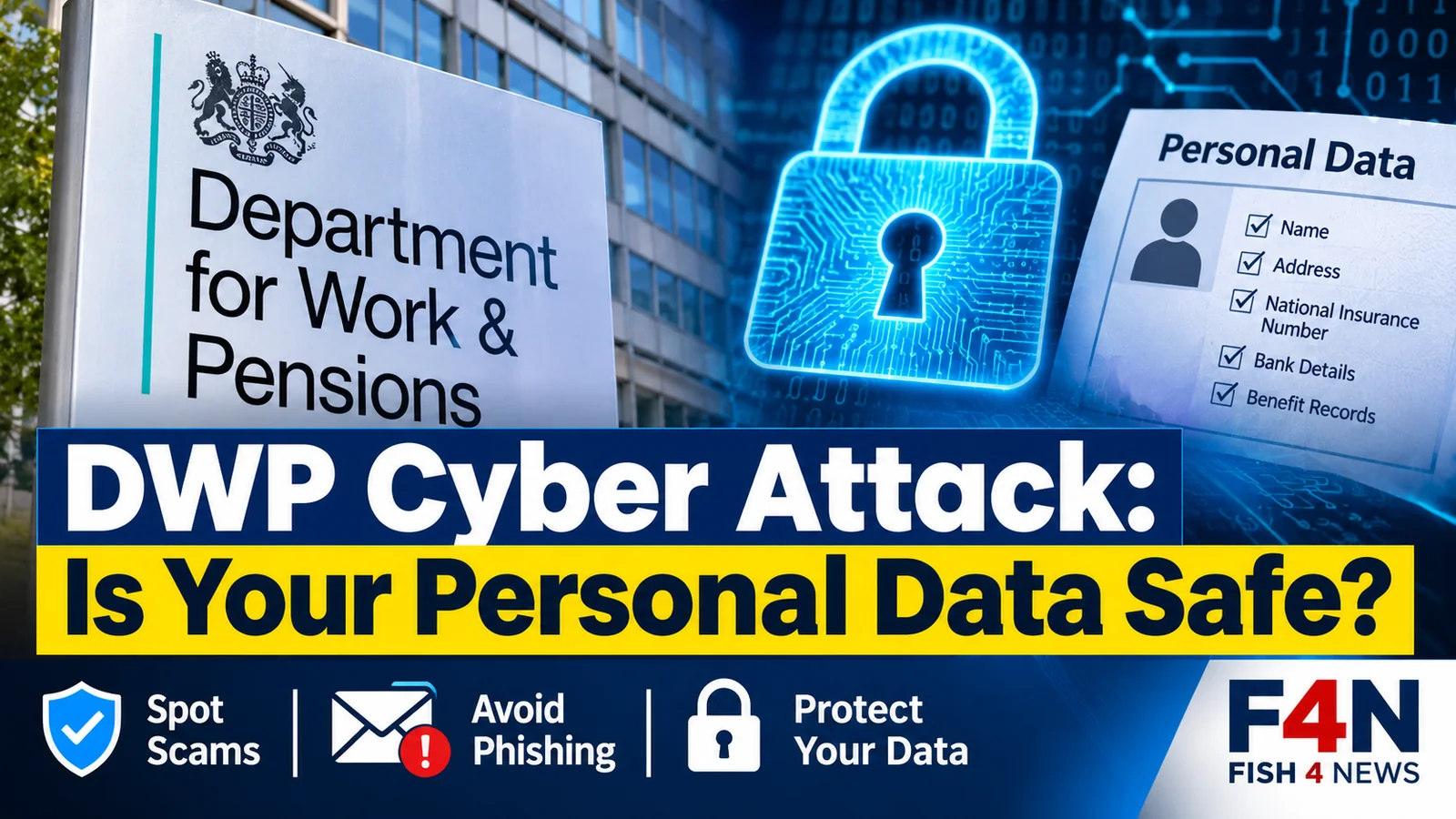
The department’s personal information charter explains that it processes sensitive information to administer benefits, pensions, employment services and child maintenance. It also maintains basic identity information about everyone allocated a National Insurance number, including people who do not currently claim benefits.
Depending on the person’s dealings with the department, records may include:
- Names, addresses, dates of birth and National Insurance numbers.
- Banking and payment information.
- Employment, earnings and benefit entitlement details.
- Information about household members, dependants or caring responsibilities.
- Health and disability information relevant to particular claims.
These are examples of records the DWP ordinarily processes. No category listed above has been identified publicly as having been compromised in this incident. Nor does the department’s overall customer population represent a confirmed number of people affected.
Which DWP Systems Have Been Affected?
The Northern Ireland Department for Communities has identified interruption to services including Universal Credit, the Pension Credit calculator and Tell Us Once. State Pension and Personal Independence Payment online services have also been reported unavailable.
The interruption is not a map of the systems that attackers targeted. Systems can be disconnected to limit risk or because they depend on another service that is unavailable. No complete list of the systems targeted or the information held within them has been released.
If you cannot access your account, see our Universal Credit outage guidance. For concerns about scheduled money, read whether pensions and benefits will be paid.
Is a Cyber Attack the Same as a Data Breach?
- Cyber attack: a deliberate attempt to gain unauthorised access, disrupt or damage computer systems. An attempt can fail.
- Service outage: an interruption that prevents users from accessing a service. A department may deliberately suspend access as a security measure.
- Personal data breach: a security incident that compromises the confidentiality, integrity or availability of personal data. It can involve unauthorised disclosure or access, alteration, loss or destruction of records.
The ICO’s breach guidance makes clear that data theft is not the only type of breach. However, the temporary unavailability of a public portal does not by itself establish that a personal data breach has occurred. That depends on what happened to the information and the circumstances of the incident.
Who Is Investigating the DWP Cyber Attack?
The DWP’s 27 November incident notice confirms that it is working with the National Cyber Security Centre (NCSC) and the Government Cyber Coordination Centre to investigate the incident and recover services safely.
The ICO is also aware of the incident. On Friday, an ICO spokesperson told Computer Weekly that the regulator was engaging with the department to establish what happened. This confirms contact with the regulator, not a formal finding of a breach or the opening of an enforcement investigation.
Will DWP Tell You if Your Data Has Been Compromised?
Under UK GDPR, organisations must inform the ICO of a reportable personal data breach within 72 hours of becoming aware of it, where feasible. Not all breaches require reporting: the duty applies unless a breach is unlikely to present a risk to people’s rights and freedoms.
Where the risk to affected individuals is likely to be high, the organisation must normally notify those individuals without undue delay. That is separate from the deadline for reporting to the regulator.
The reporting period does not automatically start when suspicious activity is detected. The absence of a public breach announcement does not establish either that no breach occurred or that the department failed to meet its obligations.
Beware of Fake DWP Texts, Emails and Phone Calls
Criminals do not need to have stolen government records to exploit a widely reported cyber attack. An unexpected message may appear convincing simply because it refers to a genuine disruption.
DWP’s official notice says it will never ask for personal information by text or email. Treat unsolicited messages claiming to come from the department with caution, particularly if they ask you to act urgently.
Possible scams could claim that:
- Your benefit or pension will be stopped unless you verify your account.
- You must re-enter your bank details to receive your next payment.
- Your National Insurance number has been compromised and must be verified.
- You need to pay a fee to restore access to your claim or receive compensation.
- You must provide a security code or password to an alleged DWP worker.
These are examples of potential fraud, not reports that these particular scams have been identified in connection with the incident.
How to Protect Your Personal Information
- Open the relevant service directly through GOV.UK, rather than following links in unsolicited communications.
- Verify unexpected calls independently through a trusted official telephone number. End the call first if necessary.
- Do not disclose passwords, PINs or one-time authentication codes to someone who contacts you.
- Use different, strong passwords for important accounts and enable two-step verification where available.
- Look out for unexpected changes to your accounts or unfamiliar transactions. Keep an eye on genuine benefit correspondence.
- If a password is exposed or you suspect someone has accessed your account, change it through the official service, including on other accounts that use the same password.
The NCSC’s advice for individuals explains how to check whether information has been affected and respond to suspicious communications. There is no confirmed evidence from this incident requiring everyone to cancel bank cards, change bank accounts or buy identity monitoring services.
What to Do if You Have Responded to a Scam
If you have shared banking information, transferred money or suspect unauthorised transactions, contact your bank immediately using a trusted number or its official app. If you have disclosed an account password, change it through the genuine website and secure any other accounts using it. Contact the relevant DWP office if you believe your benefit account or payment instructions have been altered.
Keep copies of suspicious messages, telephone numbers and transaction details. The official reporting routes are:
- Suspicious emails: forward them to report@phishing.gov.uk.
- Suspicious texts: forward them to 7726, free of charge.
- Fraud or cyber crime: contact Report Fraud in England, Wales or Northern Ireland (0300 123 2040). In Scotland, contact Police Scotland on 101.
- Concerns about how personal information has been handled: raise them with DWP first using the contact information in its personal information charter, then consult the ICO’s public guidance or call 0303 123 1113.
Frequently Asked Questions
Have Universal Credit bank details been stolen?
There is no confirmed evidence that Universal Credit banking details have been stolen in this incident. Access problems do not establish that payment records were exposed.
Should I change my DWP password?
No general password reset has been announced in response to the incident. If you have disclosed your password, reused a compromised password or suspect unauthorised activity, change it via the official service as soon as you can access it.
Can I claim compensation?
A cyber attack does not automatically give everyone whose information the department holds a right to compensation. No incident-specific compensation scheme has been announced. If a breach is established and you believe you have suffered damage or distress as a result, consult the ICO’s complaints and compensation guidance and seek independent advice. The ICO itself does not award compensation.
What Happens Next?
The key questions for the investigation are whether the attempted intrusion succeeded, whether any information was affected and whether particular people need to take protective action. The return of online services would be welcome but would not, by itself, establish the outcome of the data security investigation.
Fish 4 News will follow developments, including any new statements from the DWP or ICO, changes to the assessment of personal information and confirmed warnings about scams associated with the incident.
Follow the Story
- DWP Cyber Attack: What Has Happened?
- DWP Cyber Attack: Will Pensions and Benefits Be Paid?
- Universal Credit Outage: What Should Claimants Do?
Sources
- DWP incident notice, 27 November 2026
- Northern Ireland Department for Communities, 27 November 2026
- DWP personal information charter
- Associated Press, 28 November 2026
- Computer Weekly, including the ICO’s response, 27 November 2026
- ICO: personal data breaches
- NCSC: data breach guidance
- GOV.UK: report scams and phishing
- Report Fraud: reporting routes