New York City Mayor Zohran Mamdani has proposed closing the Rikers Island jail complex by 31 December 2032, more than five years after the city’s existing legal deadline. The plan would replace the notorious facility with smaller jails across four boroughs, but it still requires political approval and a substantial reduction in the number of people held in custody.
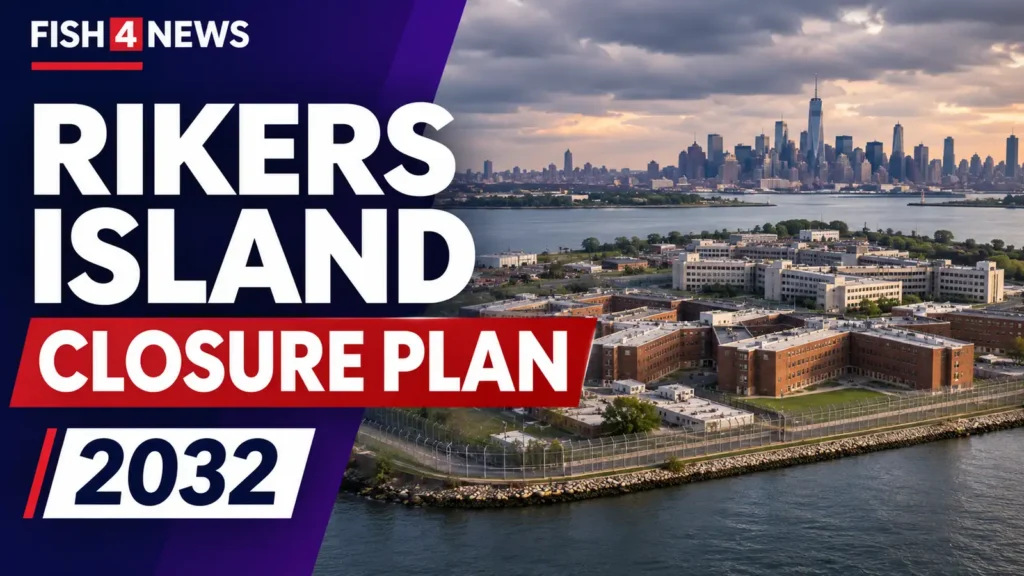
The plan released on Friday 20 November 2026 is the administration’s first comprehensive timetable for ending detention on Rikers Island. The facility is not closing immediately, and the new target has not yet become law.
Why has the Rikers Island closure date moved to 2032?
New York City law currently requires incarceration on Rikers Island to end by 31 August 2027. That deadline was adopted in 2019, but construction of the replacement facilities has fallen far behind the timetable. The city now proposes extending the deadline to the end of 2032.
The mayor cannot change the legal deadline alone. City Council legislation is needed, and councillors are expected to scrutinise the proposed timetable and interim milestones. The original 2027 date remains in force unless the law is amended.
“It is time to finally close Rikers Island,” Mamdani said in the announcement, describing the proposal as a commitment to improve conditions for people held in custody and the staff who work there.
Four new jails to replace Rikers Island
The city intends to open four borough-based jails. Each is designed to hold approximately 1,040 people, with additional specialist hospital accommodation bringing the replacement system’s planned capacity to around 4,500 beds.
- Brooklyn: scheduled to open in 2029.
- The Bronx: scheduled to open in 2031.
- Queens: scheduled to open in 2031, including designated accommodation for women.
- Manhattan: scheduled to open in 2032.
The plan also proposes 340 therapeutic beds in units operated with NYC Health + Hospitals for people with significant medical or mental health needs. The administration argues that bringing jails closer to courts, lawyers and families would make visits, treatment and rehabilitation easier.
Jail population must fall significantly
New York City currently holds roughly 6,600 people in its jail system, far more than the planned replacement capacity. The administration’s target is to reduce that number to no more than 4,100 by 2032.
Proposed measures include faster processing of criminal cases, expanded alternatives to detention, increased mental health support, housing assistance and restoring the online bail-payment service. The plan includes $290 million in population-reduction investment over several financial years and a separate $146 million for services in the next fiscal year. These are programme investments, not a single construction-cost estimate.
The strategy depends on courts, prosecutors, community organisations and elected officials working together. Advocates have welcomed plans to reduce prolonged pretrial detention, while questions remain over whether New York can bring numbers down without weakening public safety.
Why is Rikers Island being closed?
Rikers Island has faced longstanding criticism for violence, neglect, poor conditions, inadequate medical care and deaths in custody. A federal court-appointed remediation manager now oversees efforts to improve safety in the city’s jail system.
On 12 November, the New York City Board of Correction confirmed that the death of Cesar Mederocuret on 10 November was the ninth death in Department of Correction custody in 2026. That is a citywide custody figure, not nine deaths within Rikers Island itself.
Many people detained in New York City jails are awaiting trial rather than serving prison sentences following conviction. The distinction matters: Rikers is a jail complex, and prolonged delays can mean people spend months or years in custody before their cases are resolved.
What will happen to the island?
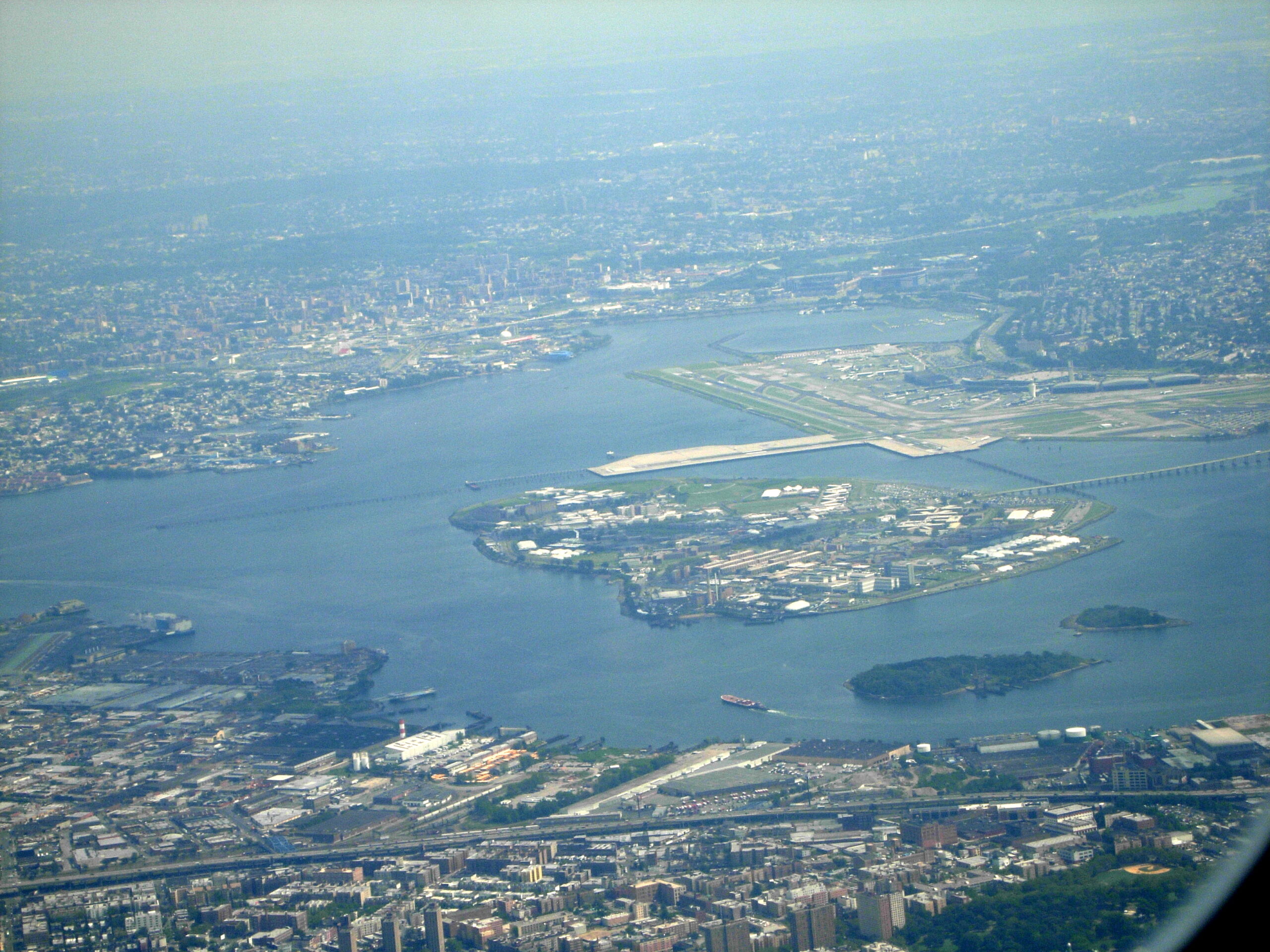
The city has begun considering alternative uses for the site once detention ends, including renewable energy and environmental infrastructure. It has not announced a final redevelopment scheme. Individual Rikers facilities could close in stages as replacement accommodation opens.
What happens next?
The immediate test is whether the City Council approves a revised legal deadline and holds the administration to measurable progress on new construction, jail-population reduction and conditions in existing facilities. Until those steps are completed, 2032 remains a proposed closure date, not a guarantee.