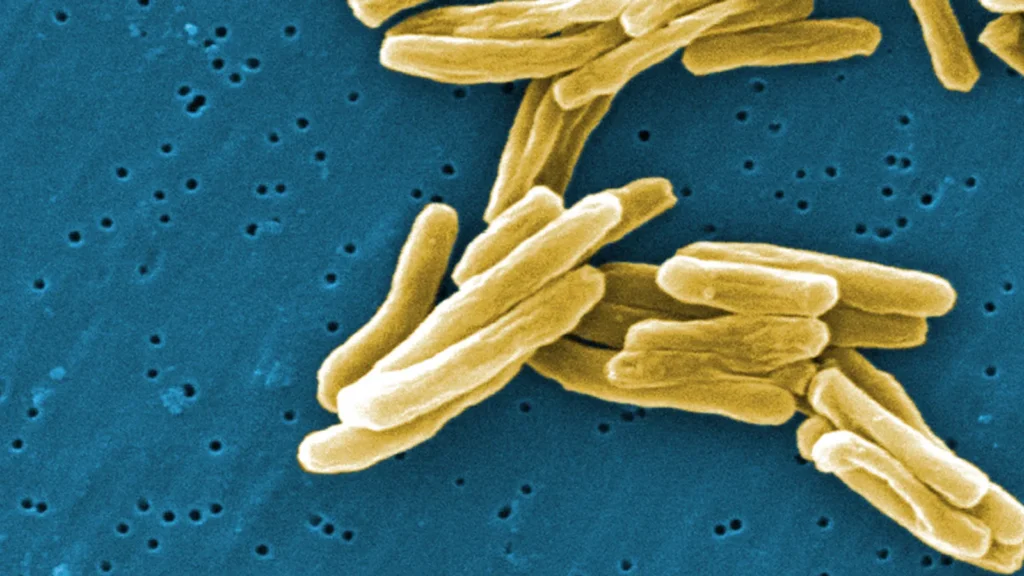
Tuberculosis (TB) notifications in England were broadly unchanged in 2025, but the latest official figures show a widening gap between the country’s most and least deprived communities.
Figures published by the UK Health Security Agency (UKHSA) on 29 October 2026 show 5,449 people were notified with TB in 2025, compared with 5,485 in 2024. The notification rate was 9.26 per 100,000 people, down slightly from 9.36 a year earlier.
The figures suggest the increase seen in earlier years has paused. However, the agency says substantial reductions are still needed to tackle the disease as a public health issue.
TB rates highest in deprived communities
The most striking finding concerns inequality. In the 10% most deprived areas of England, the notification rate rose from 14.5 per 100,000 in 2019 to 17.5 in 2024 and 19.4 in 2025.
According to UKHSA, people living in the most deprived areas were 6.9 times more likely to be diagnosed with TB in 2025 than those in the least deprived areas.
London recorded the highest regional TB notification rate at 20.2 per 100,000. Rates were also higher in urban areas overall.
What the latest figures show
- 2022: 4,380 TB notifications in England.
- 2023: 4,831.
- 2024: 5,485.
- 2025: 5,449.
- Drug resistance: 2.1% of notifications in 2025 involved multidrug-resistant TB, compared with 2.2% in 2024.
UKHSA reports that 82.3% of people notified with TB in 2025 were born outside the UK, similar to 82% in 2024. This records patients’ place of birth, not where they acquired the infection. TB can remain dormant in the body for years before becoming active.
Early 2026 figures suggest TB notifications are falling
Separately, provisional surveillance figures published on the same day show 3,858 TB notifications between January and September 2026, compared with 4,204 over the equivalent period in 2025, a fall of 8.2%.
Between July and September alone, 1,224 cases were notified, down 13.9% from 1,422 a year earlier. The fall was seen across most regions, although notifications increased in the East of England. Because the 2026 figures are provisional, they could change as records are checked.
Symptoms of tuberculosis and when to seek help
TB is a bacterial infection which usually affects the lungs. It can spread through prolonged close contact with someone who has infectious TB, but people with latent TB do not have symptoms and cannot pass it on.
The NHS advises people to contact their GP if they have a cough lasting longer than three weeks, persistent tiredness, night sweats, unexplained weight loss or a loss of appetite. Anyone coughing up blood should seek an urgent GP appointment or help from NHS 111.
TB is treatable with antibiotics, usually taken for at least six months. Prompt diagnosis helps patients recover and can reduce the risk of the infection spreading.
What happens next
UKHSA says targeted testing and greater awareness among people at higher risk remain priorities. A new national TB action plan is being developed, with a focus on prevention, earlier detection, control of the disease and health inequalities.
The annual figures describe notifications, meaning people reported to the national surveillance system, rather than a count of all infections. They apply to England, not the whole UK.