Ten local apprentices have begun training linked to the proposed Gwyndod small modular reactor project on Anglesey, while a signed design contract and new supply-chain opportunities move preparations forward. The nuclear power station has not yet been approved for construction.
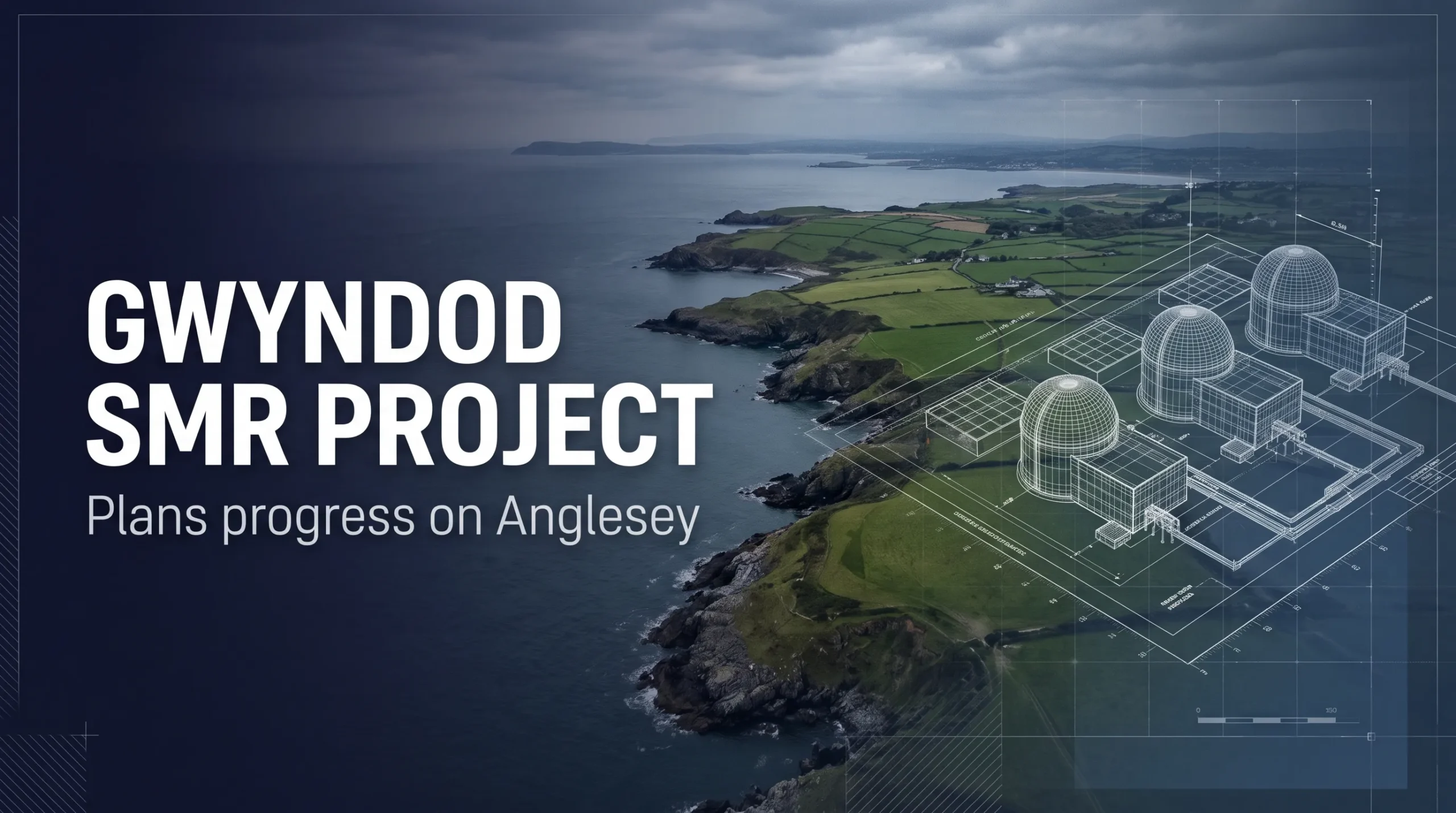
More than 400 suppliers met at Coleg Menai in Llangefni on 22 and 23 October to discuss potential work on the UK’s first Rolls-Royce small modular reactors (SMRs), according to Great British Energy – Nuclear (GBE-N).
The gathering, announced on 27 October, was a supplier engagement event, not the award of 400 contracts. But it follows several more concrete steps towards the proposed Gwyndod Power Station, planned next to the existing Wylfa site.
What has actually happened?
In April 2026, GBE-N signed a technology partner contract with Rolls-Royce SMR. This began site-specific design, regulatory engagement and planning work ahead of a future final investment decision. The government allocated £2.6 billion to the wider SMR programme in the 2025 Spending Review; that sum should not be confused with money already spent building reactors at Anglesey.
On 23 October, Rolls-Royce SMR confirmed that ten local apprentices had joined its Safety and Regulatory Affairs team. Based at Coleg Menai in Llangefni, they are undertaking training connected with safety, regulation and compliance for the programme.
In September, the company also launched a supplier programme through which UK businesses could bid for up to £1.4 billion in contracts over the following year. Those are potential opportunities, not £1.4 billion of newly awarded work at Gwyndod.
What could Anglesey gain?
The current plan is for three reactors producing approximately 1.4 gigawatts of electricity from the mid-2030s. In an answer to Parliament on 19 October, energy minister Michael Shanks said the scheme could support up to 3,000 jobs on site at peak construction, with further jobs in the supply chain.
GBE-N and Rolls-Royce SMR aim for 70% of the project’s content to come from UK-based companies and expect more than 300 apprentices to be supported during construction. These are ambitions and forecasts, however, not confirmed numbers of jobs or placements for Anglesey residents.
There is a local accountability element. In March, GBE-N and Isle of Anglesey County Council signed a collaboration agreement intended to help secure local employment, training, business opportunities and responsible development. The council has emphasised the need to manage risks, involve island communities and protect the Welsh language and local culture.
What still needs approval?
There has been no final investment decision to build the station. The development must still pass relevant planning, licensing and environmental requirements. The Office for Nuclear Regulation says its assessment of the generic Rolls-Royce SMR design remains ongoing at Step 3. A positive design assessment would not by itself grant permission to construct a reactor at Gwyndod.
The remaining questions for island residents are practical ones: how many permanent and construction jobs will go to local workers, how much spending will reach Welsh businesses and what pressures might the development put on housing, roads and services? The latest supplier meeting does not answer those questions.
The distinction is important. Gwyndod has progressed beyond a political announcement to a signed design contract, apprenticeship placements and formal supplier engagement. It is still a proposed nuclear power station, not an operational or fully approved construction project.
Sources
- GBE-N: Gwyndod supply chain announcement, 27 October 2026
- GBE-N: Technology partner contract, April 2026
- Rolls-Royce SMR: First ten local apprentices, 23 October 2026
- Rolls-Royce SMR: Supplier programme, September 2026
- Isle of Anglesey County Council: Collaboration agreement
- Office for Nuclear Regulation: SMR design assessment